21 Objections that actually mean they want to buy
This ready-to-use listicle is designed to quickly educate, engage, and qualify your audience with clear, easy-to-read sales insights, making it ideal for resellers and creators looking for a high-value lead magnet. Using a simple, story-driven approach and 21 practical real-world examples, it reframes common sales objections as buying signals rather than rejection, showing readers what each objection really means in the buyer’s mind and how to respond calmly and confidently. The content focuses on trust over pressure, offering simple response ideas that move conversations forward naturally while helping readers stop fearing objections and start handling them with clarity, confidence, and authenticity.

Sales


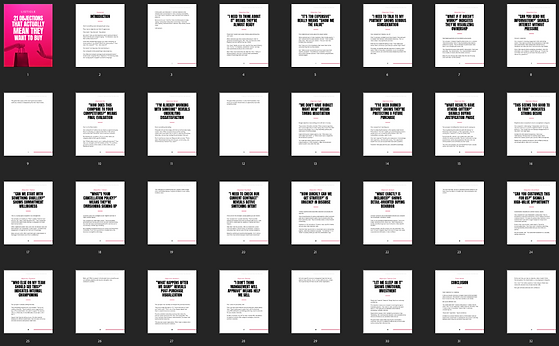
Most people misunderstand objections in sales. They hear hesitation and immediately assume rejection, which leads to panic, discounting, overexplaining, or backing away too soon. In reality, objections are rarely a sign that a prospect is not interested. More often, they are a natural part of the decision-making process. This content was created to reframe objections for what they truly are: signals that someone is engaged, thinking seriously, and trying to feel confident before moving forward.
Through 21 of the most common objections heard in real sales conversations, the reader is guided into the mindset of the buyer. Each objection is broken down in simple, conversational language to explain what it actually means in the prospect’s mind. Instead of memorizing scripts or using pressure tactics, the focus is on understanding intent. Readers learn why people ask for time, question price, compare options, or express doubt, and how these moments often indicate that the buyer is mentally leaning in rather than pulling away.
The tone throughout is calm, practical, and confidence-building. The content shows how to respond in a way that builds trust, reduces tension, and keeps the conversation moving naturally without forcing a close. By the end, objections no longer feel like roadblocks but like guidance points that show exactly what a prospect needs to hear next. This shift helps readers approach sales conversations with clarity, composure, and a deeper sense of control, turning hesitation into progress and uncertainty into confident decisions.